
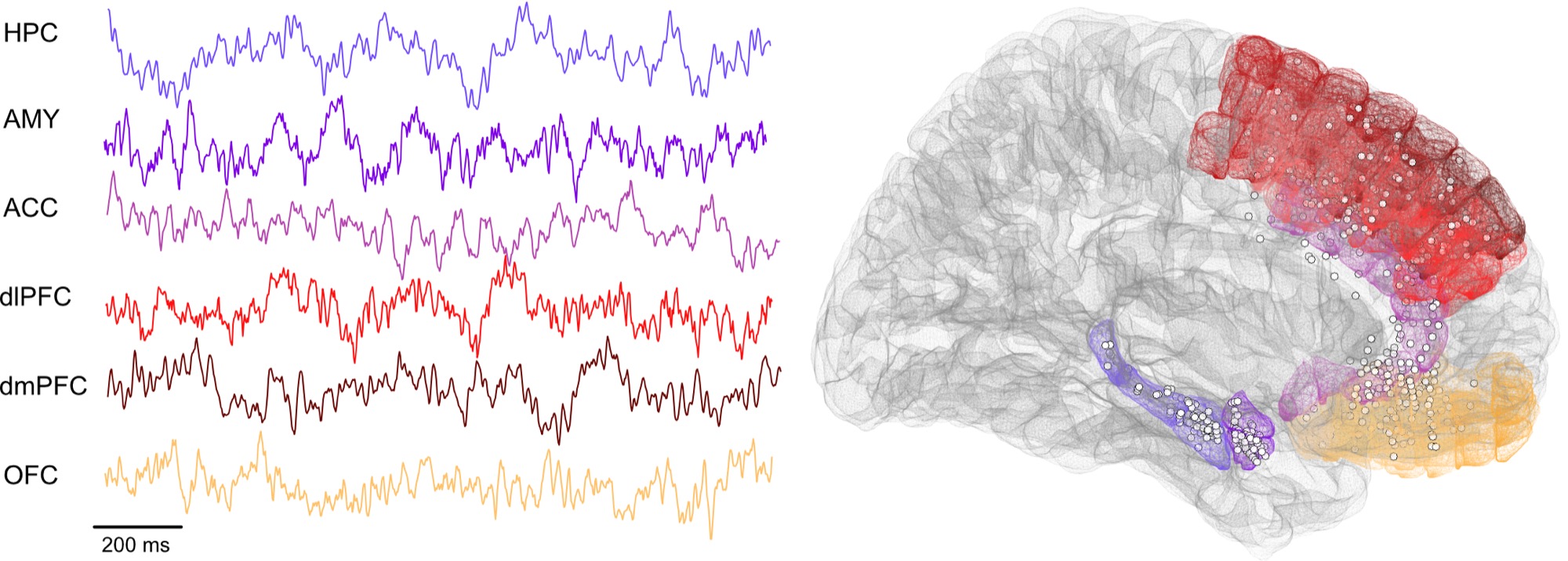



Human single-neuron recordings reveal population coding of attentional dynamics during naturalistic movie viewing
Cerquetella, C., Qasim, S.E.
bioRxiv, 2026
We study the mental computations that encode, strengthen, and retrieve memories — and how those processes fail in memory loss and mental health disorders.

Questions
Three questions that orient every project in the lab.
We probe the mental computations that encode and strengthen lasting memories...
...so we can understand why memories sometime fade in aging and dementia...
...and so we can understand why memories sometimes go awry in mental health disorders.
Research
Our lab investigates the neural computations that make memories persist, and what happens when those mechanisms fail in memory loss and psychiatric illness.
Affiliations
The Qasim Lab is based at Rutgers Robert Wood Johnson Medical School and connected across campus.
Publications
Selected papers from the lab.
Cerquetella, C., Qasim, S.E.
bioRxiv, 2026
Qasim, S.E., Panov, F., Nunez, L.M., Rhone, A.E., Kawasaki, H., Kovach, C., Garcia, C., Dlouhy, B., Gu, X., Saez, I.
bioRxiv, 2026
Zhang, W., Donoghue, T., Qasim, S.E., Jacobs, J.
PLOS Computational Biology (in press), 2026
People
Researchers studying memory persistence and mental health at Rutgers.
PI
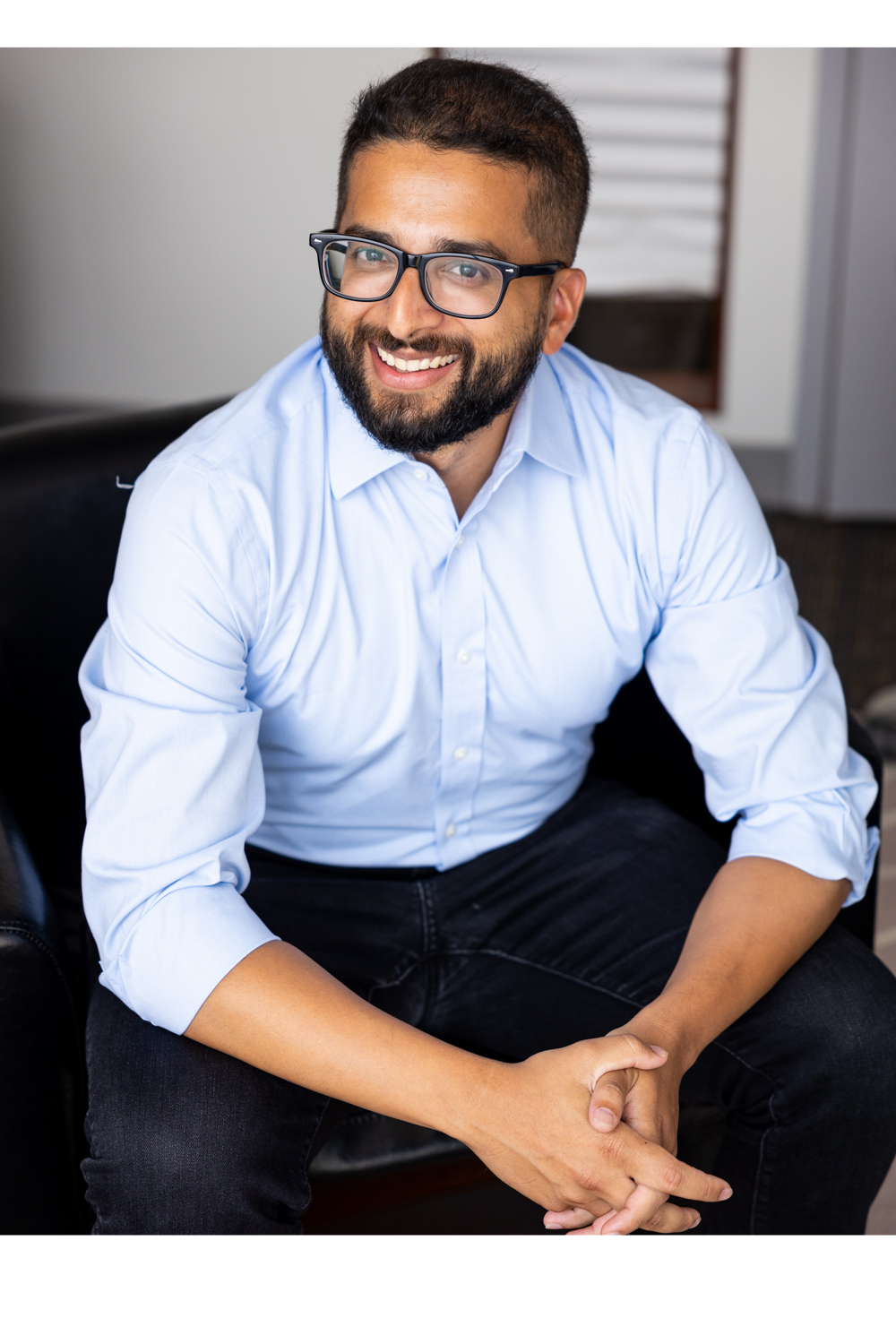
Assistant Professor of Neurosurgery at Rutgers Robert Wood Johnson Medical School and Core Faculty at the Rutgers Brain Health Institute. PhD in Biomedical Engineering from Columbia University; postdoctoral training in Computational Psychiatry at the Icahn School of Medicine at Mt. Sinai. His research unearths the unique features of human neural computations that enable high-level cognitive functions.
salman.qasim@rutgers.edu
Master's Student
Master's Candidate in the Department of Biomedical Engineering at Rutgers University. B.S. in Electrical and Computer Engineering from the University of Washington. Her research interests include understanding and developing methods for neuromodulation of pathological neural activity, with an emphasis on epilepsy and neurotechnology.
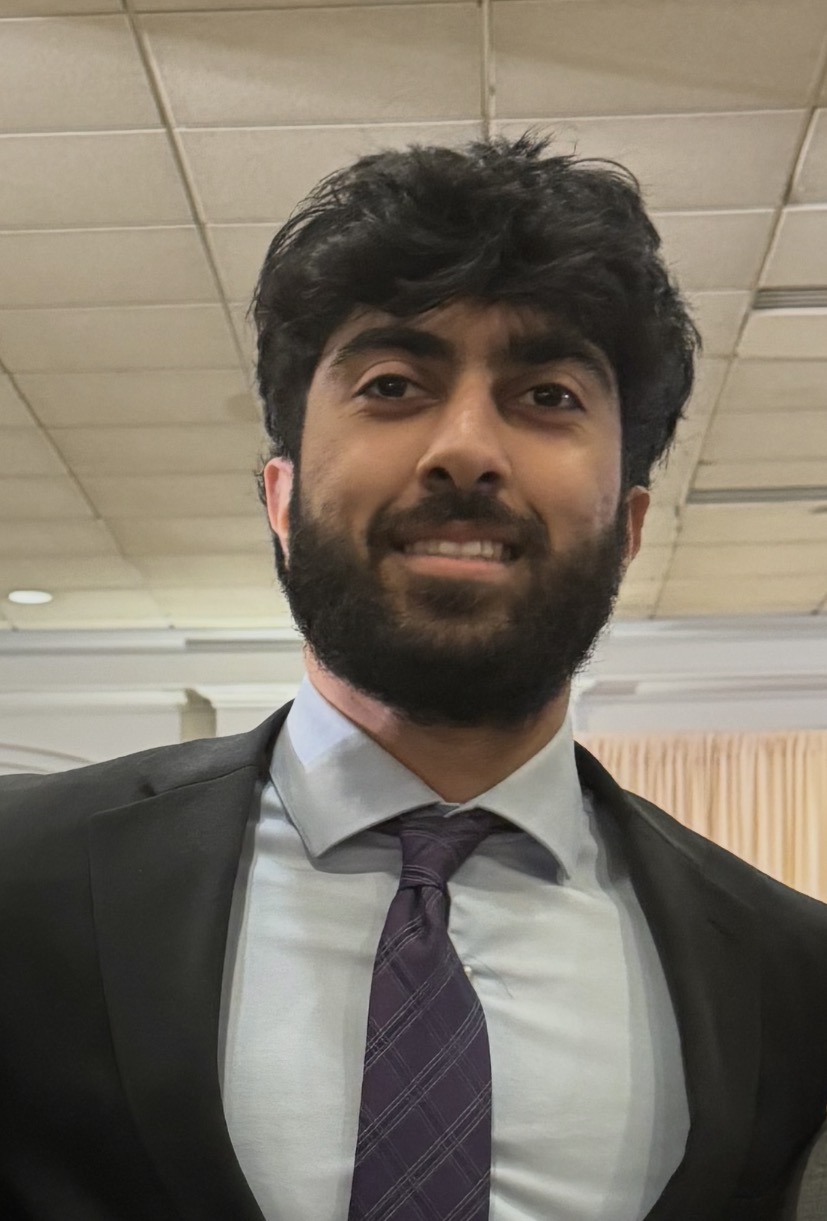
Undergraduate
Undergraduate student at Rutgers University pursuing a B.S. in Computer Science. His research interests lie at the intersection of machine learning, neuroscience, and medicine, with a focus on applying computational methods to better understand neural activity. At the Qasim Lab, he is working on developing automated pipelines to detect and classify high-frequency oscillations in intracranial EEG recordings.
News
Brief notes from the lab.
We are always looking for curious, motivated researchers to join our team. Explore open positions and learn how to apply.